Yeongju
The Floating-Stone Temple and Korea’s First Chartered Academy, Beneath Sobaeksan
Explore the Town ↓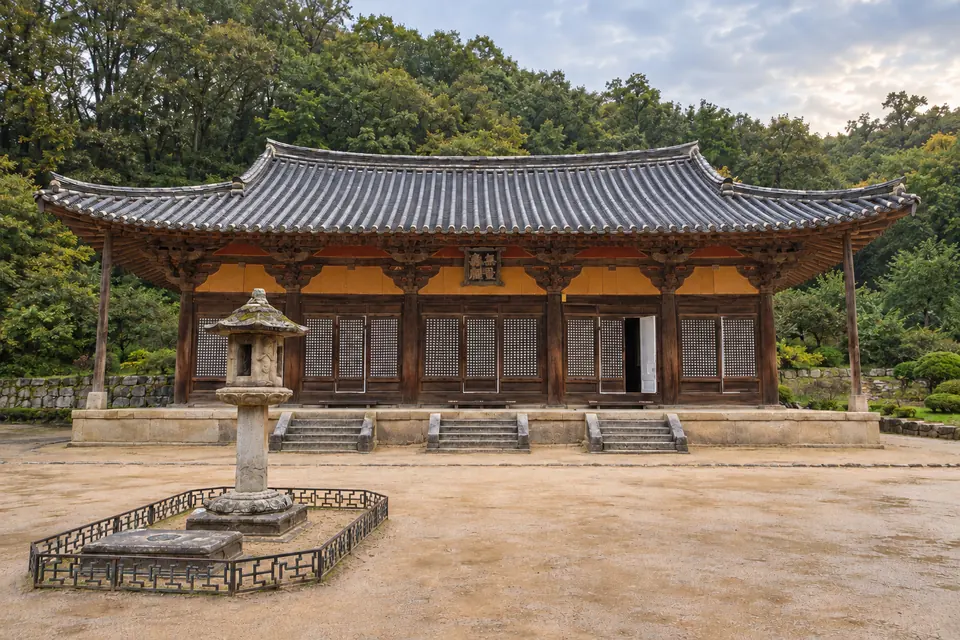
Life in Yeongju
Buseoksa’s mountain setting and Sosu Seowon’s scholarly history anchor a quieter Korean stay. Yeongju offers inland heritage and KTX-Eum rail at an easy small-city pace.
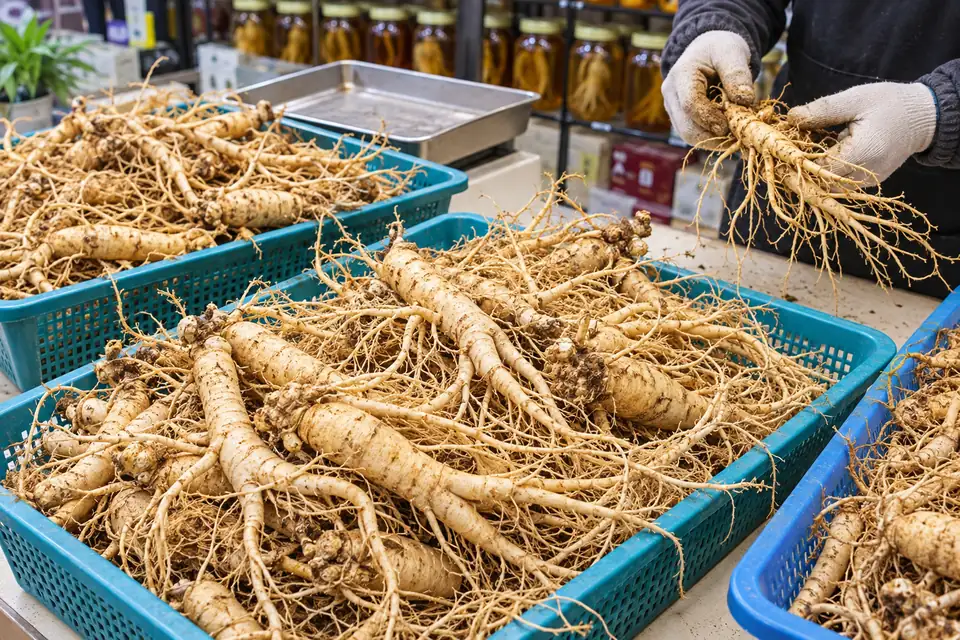
Yeongju is a quiet inland town under the Sobaek mountains with two UNESCO sites: the Silla temple of Buseoksa and Sosu Seowon, the oldest surviving Confucian academy in Korea. It also has a river village, ginseng and apple country, and a KTX-Eum railhead.
Yeongju keeps the Confucian heartland of North Gyeongsang without Andong’s fresh burn scars and flood risk. The 2025 wildfires did not reach the town, and its hazards are the usual ones of the inland north: monsoon rain on the valley floors and cold winters.
- It is a small, shrinking town of about 96,000, cold in winter, with few amenities and almost no foreign community.
- The regional emergency center is in Andong.
- Neighboring counties burned in 2025 and flooded in 2023.
- KTX-Eum trains on the Jungang line reach Seoul’s Cheongnyangni station in about 1 hr 40 min and Seoul station in about 2 hr.
- Andong is 15 minutes away.
- Daegu airport is about 1 hr 30 min away by road.
- Region
- Gyeongsangbuk-do (North Gyeongsang) · the northern edge of the province, under the Sobaek range, bordering Andong, Bonghwa, Yecheon, Danyang and Yeongwol
- Population
- 96,237 (Ministry of the Interior and Safety resident registration, August 2026, Korean nationals, whole city) · one eup, nine myeon and nine dong over about 668 km², and declining
- Setting
- Inland valley town below Sobaeksan, on streams feeding the Naeseongcheon, a tributary of the Nakdong · apple orchards and ginseng fields
- Heritage
- Buseoksa (founded 676; UNESCO Sansa, 2018; five national treasures) · Sosu Seowon (founded 1543; UNESCO Seowon, 2019) · Seonbichon · Museom village · Sobaeksan National Park
- What Makes It Distinct
- The Confucian heartland with two UNESCO sites, on quieter ground than Andong
- Inside the Full Atlas
- 28 pages on Yeongju, within the 234-page South Korea Atlas.
Yeongju & Its Surroundings
Wander the streets, waterways and neighboring towns before you go.
The pin marks the town center. The live map needs an internet connection.
A Closer Look at Yeongju
Look Beyond the View
Fall for the view, then choose with clear eyes. The full Atlas explains the natural risks checked for this town and where a property deserves a closer look.
- See which natural hazards the research covers
- Tell town-wide conditions apart from one address
- Take the right questions to a local specialist
Picture the Journey
The town you love should be easy to reach, again and again. The full Atlas lays out how you get here, from the arrival point to the final stretch.
- Compare the main ways to get here
- Plan for repeat visits and everyday trips
- Weigh the trade-offs before you pick a base
Find Your Reasons to Stay
The places you remember mix scenery, streets and local life. The town chapter takes you past the first impression to the character underneath.
- Explore the setting, landmarks and local culture
- Discover what makes this town its own
- Picture the pleasures of a longer stay
Renting It While You’re Away
Thinking of renting your home out while you’re away? The Atlas sets the rental questions and local context right beside the place itself.
- Learn which rules and permits to check
- Gauge likely visitors and seasonal demand
- Weigh the practical limits on renting it out
Imagine an Ordinary Week
The view draws you in. Everyday life helps you decide. The full chapter covers the services and practical details of living here beyond a vacation.
- Check healthcare and everyday services
- Picture the shops, connections and daily routines
- See what life is like outside the busy season
Yeongju and Around, in 8 Pictures
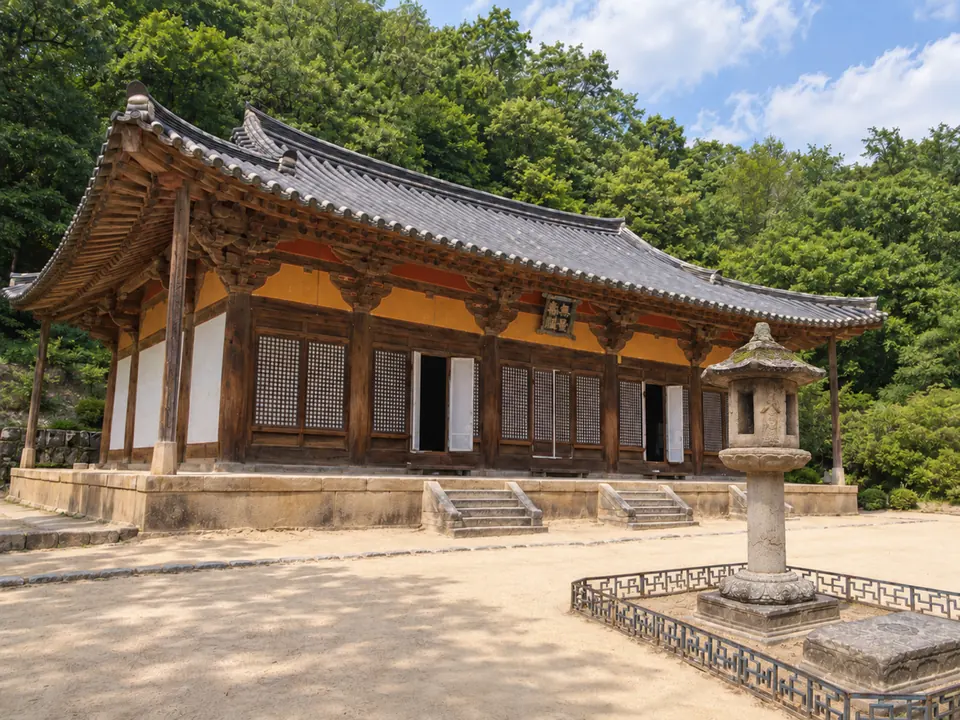
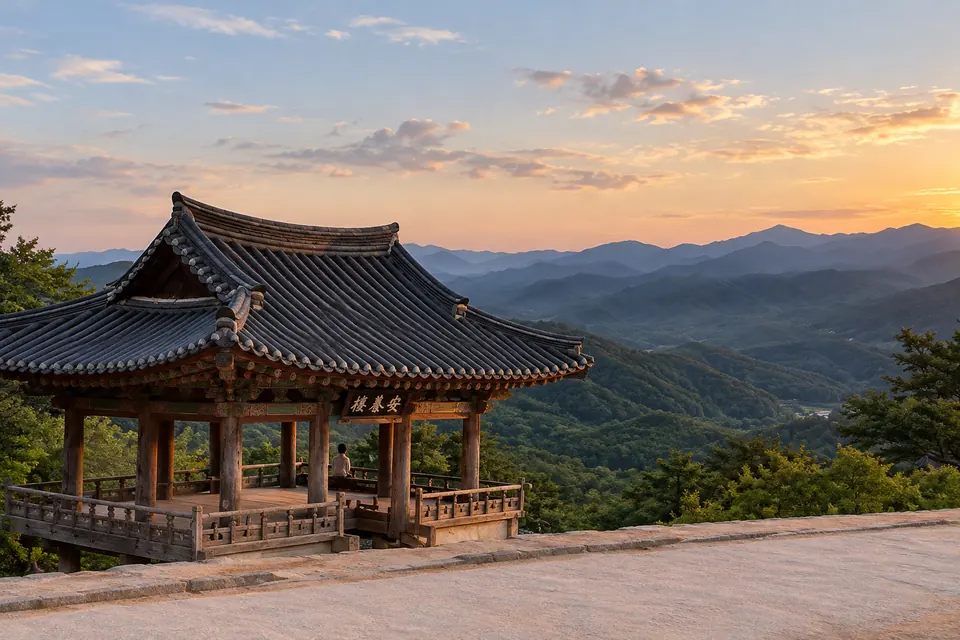
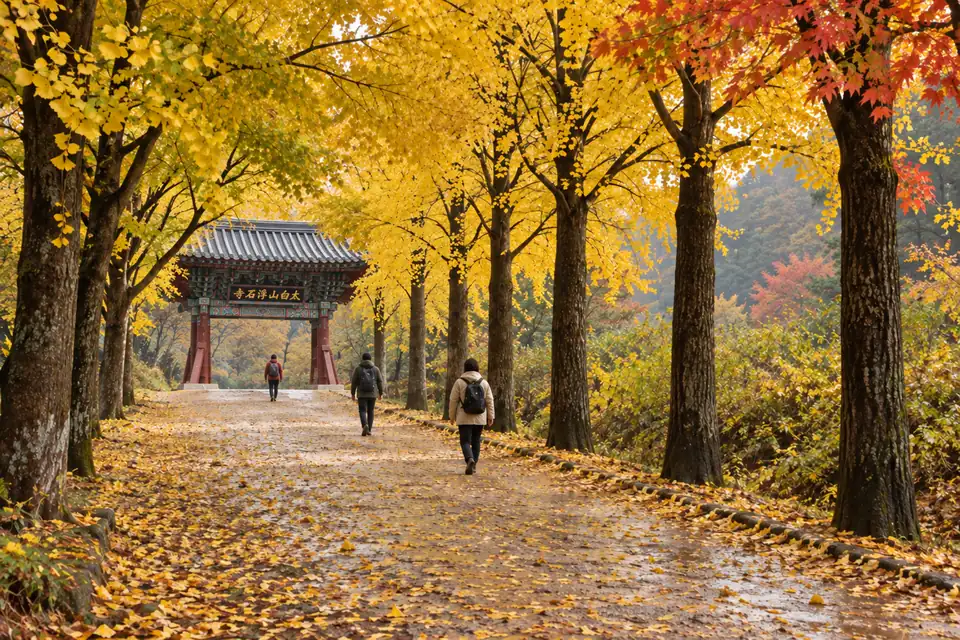
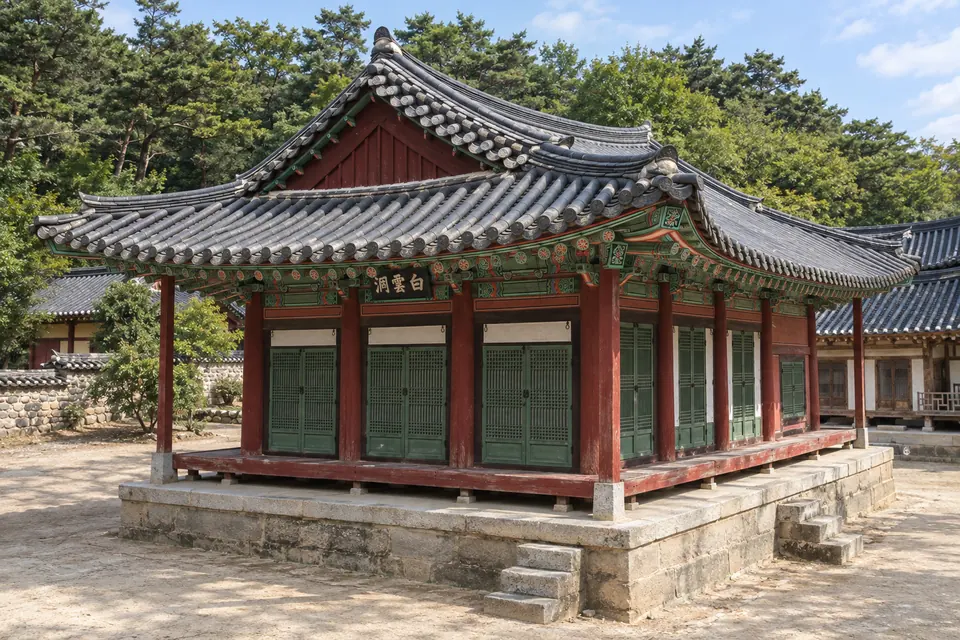
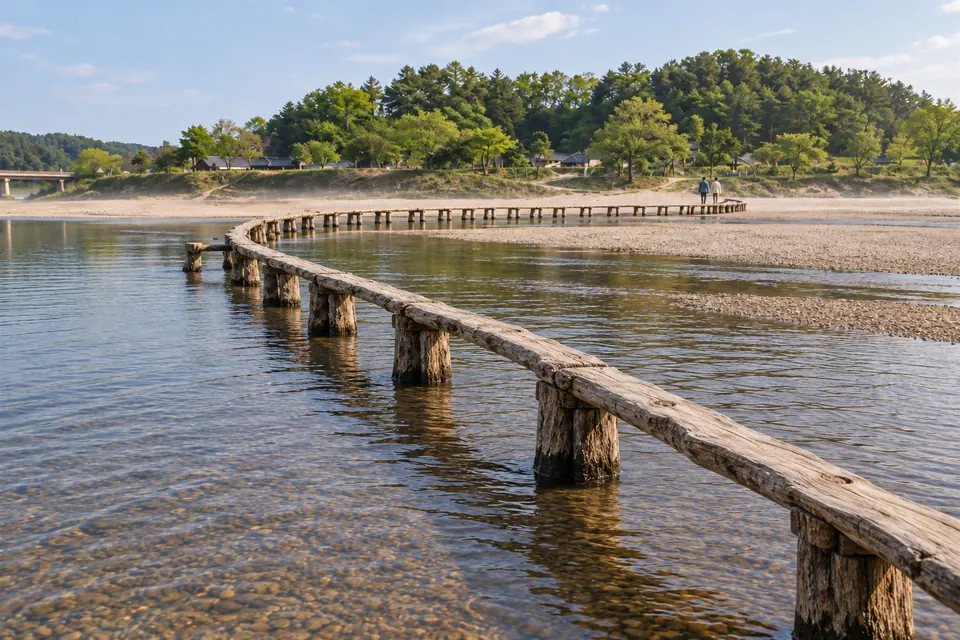
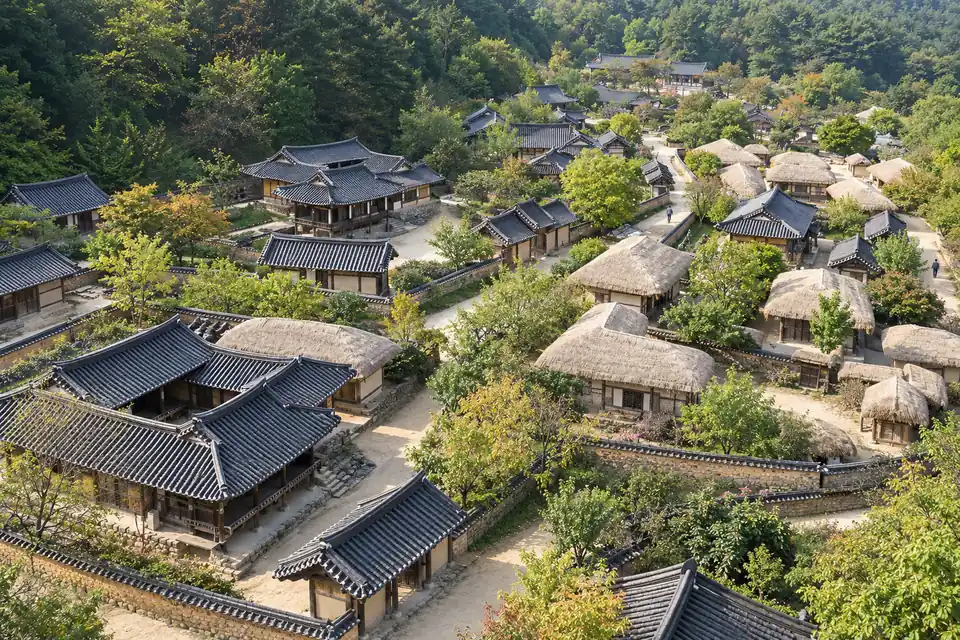
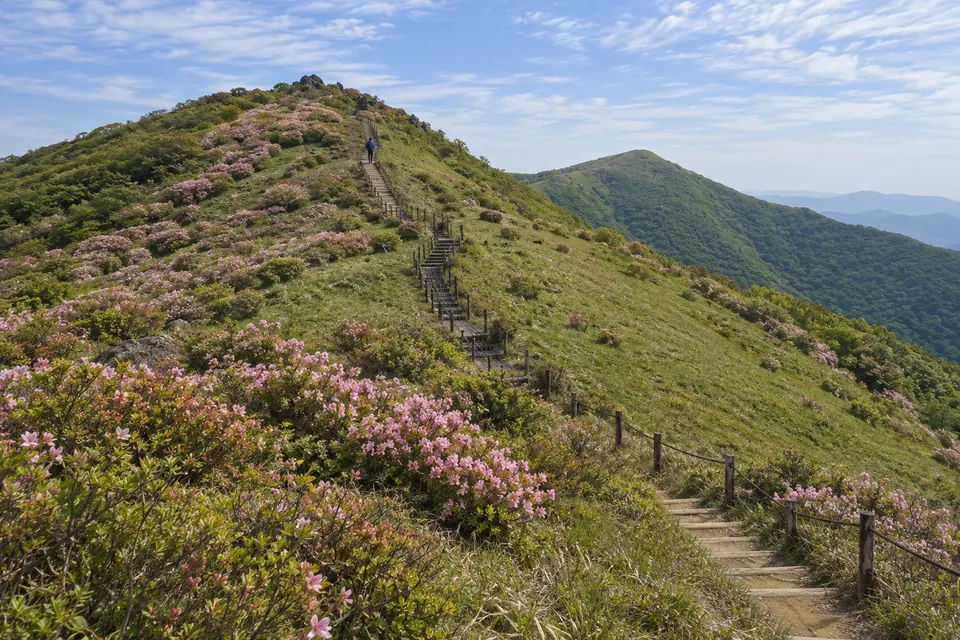
Images from the Atlas, each with its own source and edit notes.
Summary of the South Korea Atlas, edition of 26 September 2026. The town order is our editorial ranking. About the Dossier.