Maastricht
The Burgundian City on the Meuse, Where the Netherlands Meets Belgium and Germany
Explore the Town ↓Life in Maastricht
Limestone streets, a generous food culture and a river setting give Maastricht a character all its own. Belgium and Germany are close, making it a refreshing alternative to the western Dutch cities.
Maastricht is the Netherlands at its most Burgundian: Roman and medieval, built of limestone on a river among hills, with vineyards, carnival, a great art fair, and Belgium and Germany on the doorstep. Its average valuation is the second-lowest of the eight.
Maastricht has the most distinctive culture on this list and, with Middelburg, the best value: a hill town well above sea level with an academic hospital. Worth knowing: it carries two hazards the other towns do not share, Meuse flooding and Limburg’s earthquake zone.
- The Meuse set a discharge record in July 2021.
- Limburg is the Netherlands’ natural earthquake zone.
- The local airport is leisure-only, so transatlantic trips run through Brussels, Düsseldorf or Amsterdam.
- Direct intercity trains reach Amsterdam in about 2 hr 30 min.
- Brussels and Düsseldorf airports are each about 1 hr 20 min away by road.
- Liège is about 30 minutes away by train.
- Province
- Limburg, in the far south of the country, of which Maastricht is the provincial capital · wedged between Belgium to the west and south and Germany to the east
- Population
- About 126,000 in the municipality (CBS provisional count, 1 January 2026) · a large international student population
- Setting
- On the Meuse (Maas) at the mouth of the Jeker, with the Sint-Pietersberg hill to the south · the center stands well above sea level, unlike the western towns
- Heritage
- Basilica of Sint-Servaas · Onze Lieve Vrouwebasiliek · the Helpoort of 1229 · Vrijthof · Bonnefanten · Boekhandel Dominicanen · the Maastricht Treaty
- What Makes It Distinct
- A Burgundian hill city with three countries within half an hour
- Inside the Full Atlas
- 27 pages on Maastricht, within the 233-page Netherlands Atlas.
Maastricht & Its Surroundings
Wander the streets, waterways and neighboring towns before you go.
The pin marks the town center. The live map needs an internet connection.
A Closer Look at Maastricht
Look Beyond the View
Fall for the view, then choose with clear eyes. The full Atlas explains the natural risks checked for this town and where a property deserves a closer look.
- See which natural hazards the research covers
- Tell town-wide conditions apart from one address
- Take the right questions to a local specialist
Picture the Journey
The town you love should be easy to reach, again and again. The full Atlas lays out how you get here, from the arrival point to the final stretch.
- Compare the main ways to get here
- Plan for repeat visits and everyday trips
- Weigh the trade-offs before you pick a base
Find Your Reasons to Stay
The places you remember mix scenery, streets and local life. The town chapter takes you past the first impression to the character underneath.
- Explore the setting, landmarks and local culture
- Discover what makes this town its own
- Picture the pleasures of a longer stay
Renting It While You’re Away
Thinking of renting your home out while you’re away? The Atlas sets the rental questions and local context right beside the place itself.
- Learn which rules and permits to check
- Gauge likely visitors and seasonal demand
- Weigh the practical limits on renting it out
Imagine an Ordinary Week
The view draws you in. Everyday life helps you decide. The full chapter covers the services and practical details of living here beyond a vacation.
- Check healthcare and everyday services
- Picture the shops, connections and daily routines
- See what life is like outside the busy season
Maastricht and Around, in 2 Pictures
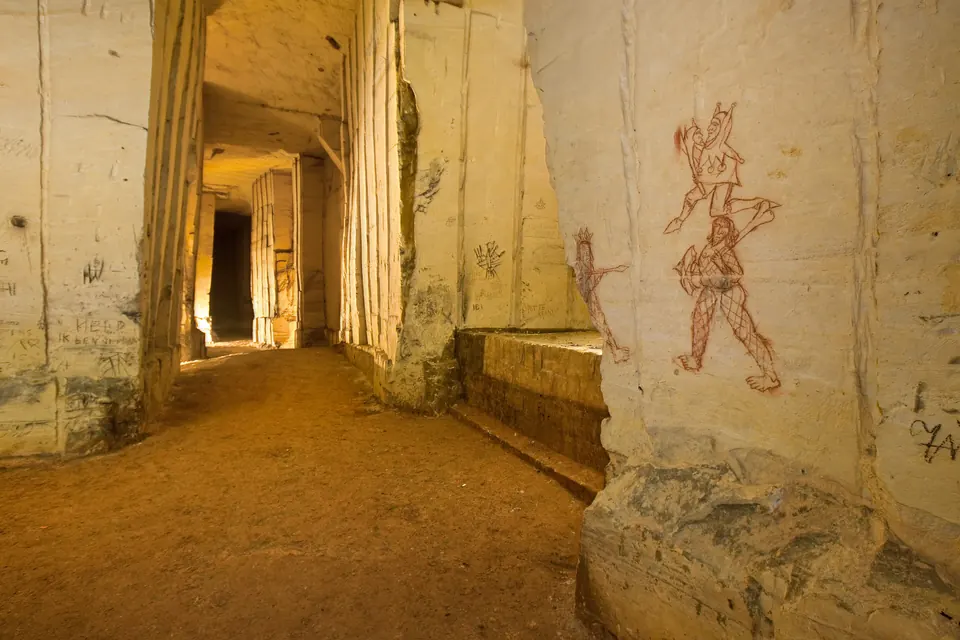
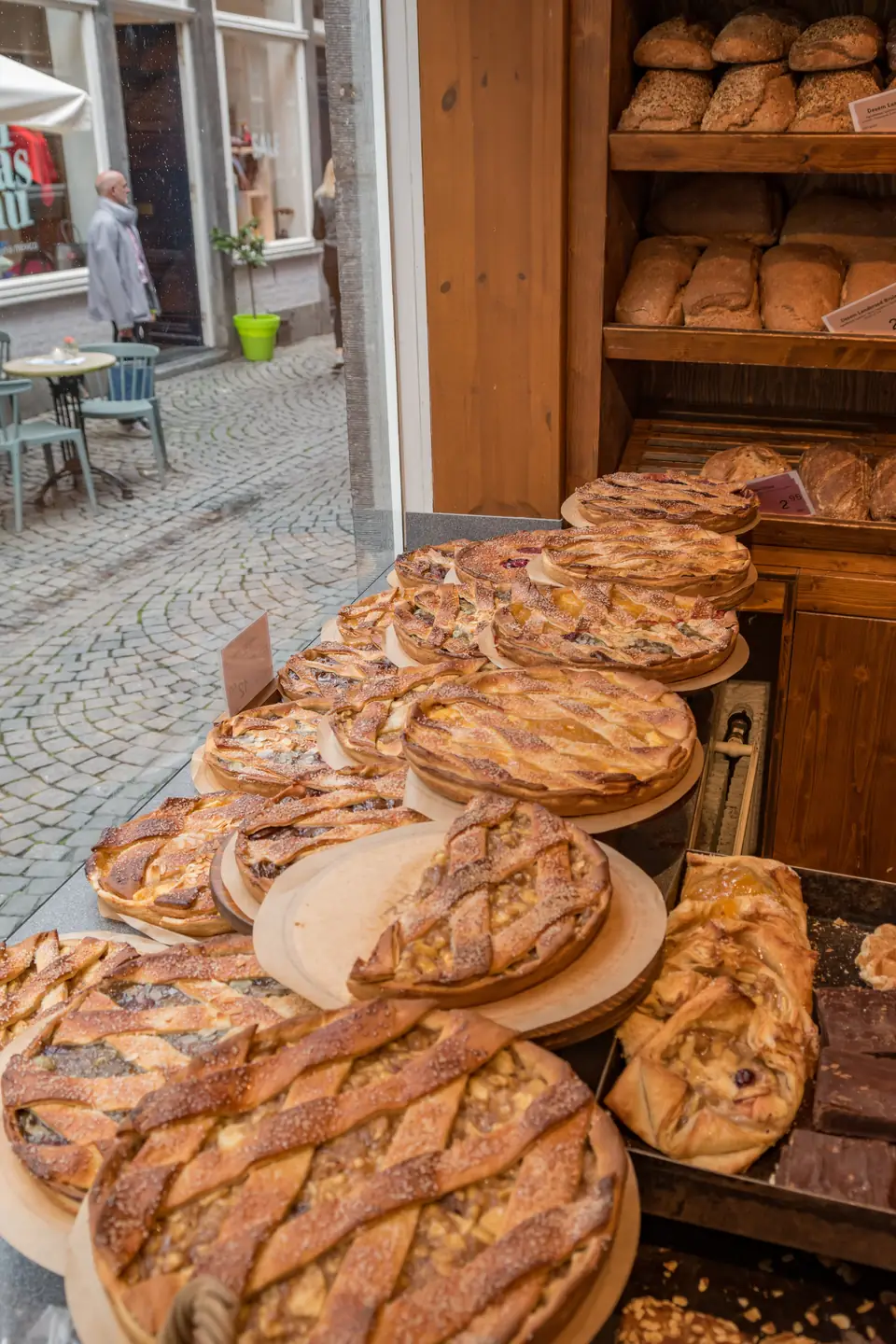
Images from the Atlas, each with its own source and edit notes.
Summary of the Netherlands Atlas, edition of 26 September 2026. The town order is our editorial ranking. About the Dossier.